- Botanical name: Salvia lyrata
- Other common names: Lyre-leaved sage, cancer weed
- Light: full sun, part shade
- Water needs: low, medium
- Soil: clay, loam, sand
- Height: 1 – 1.5 ft
- Bloom: April – June
- Sociability rating: 2
- Wildlife value: Bees, butterflies, hummingbirds, goldfinches, stem-nesting bees
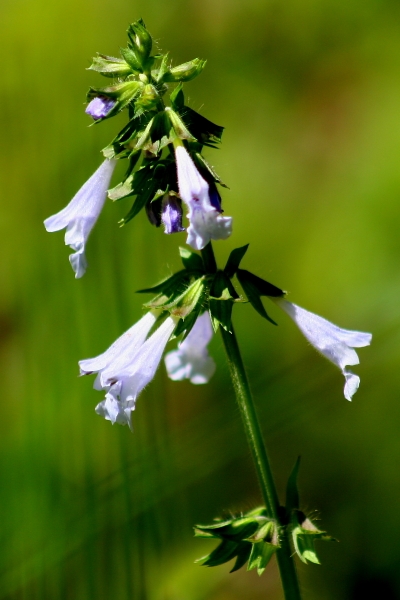
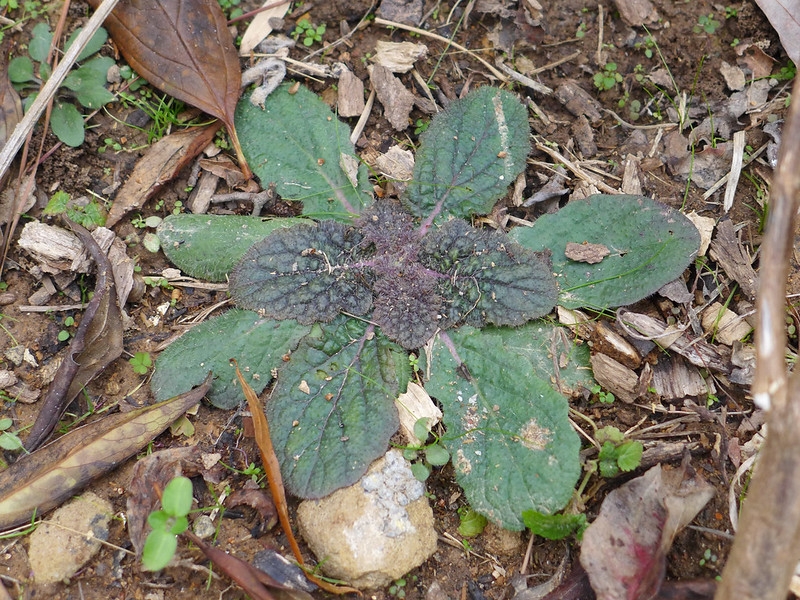
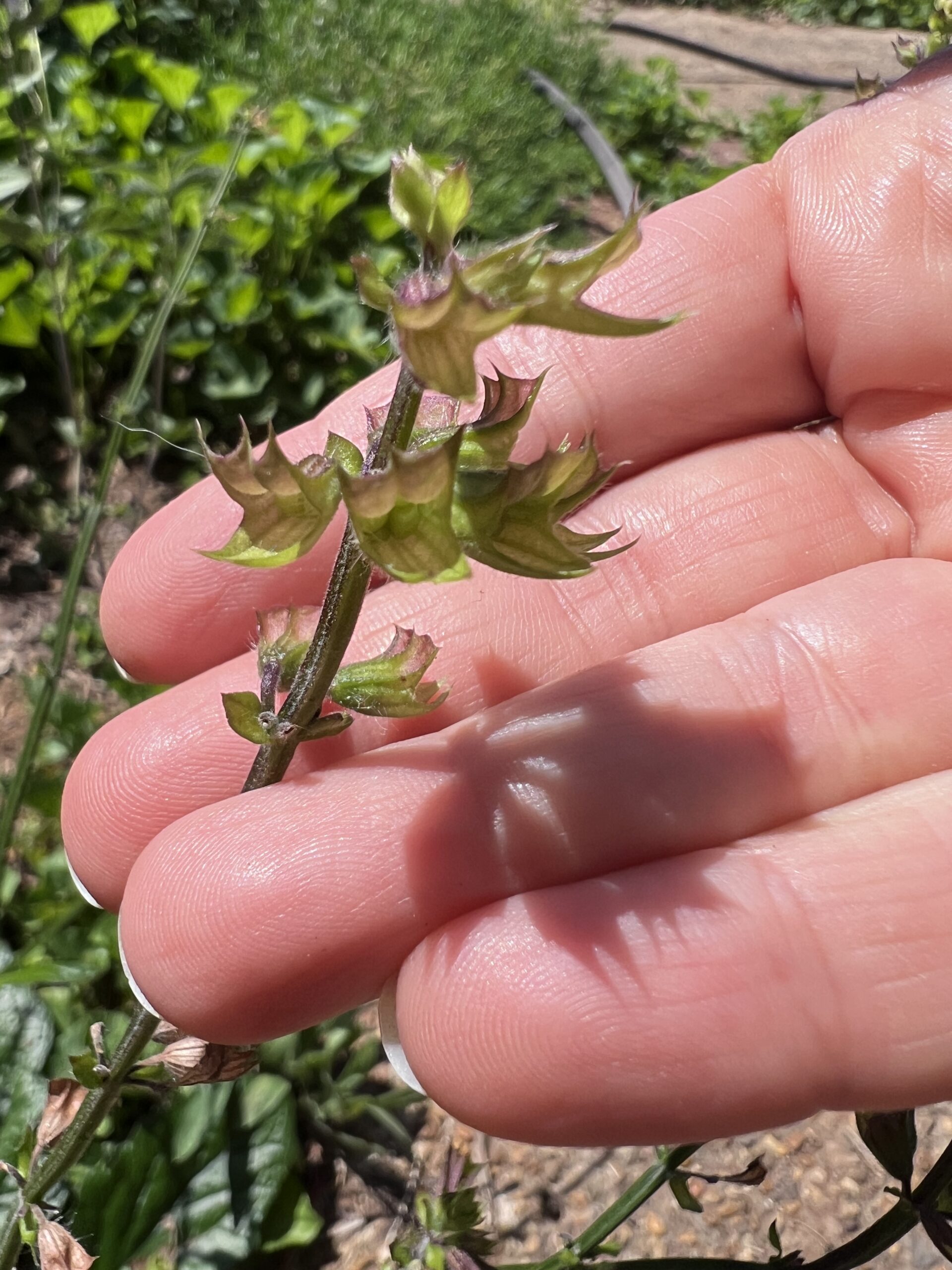
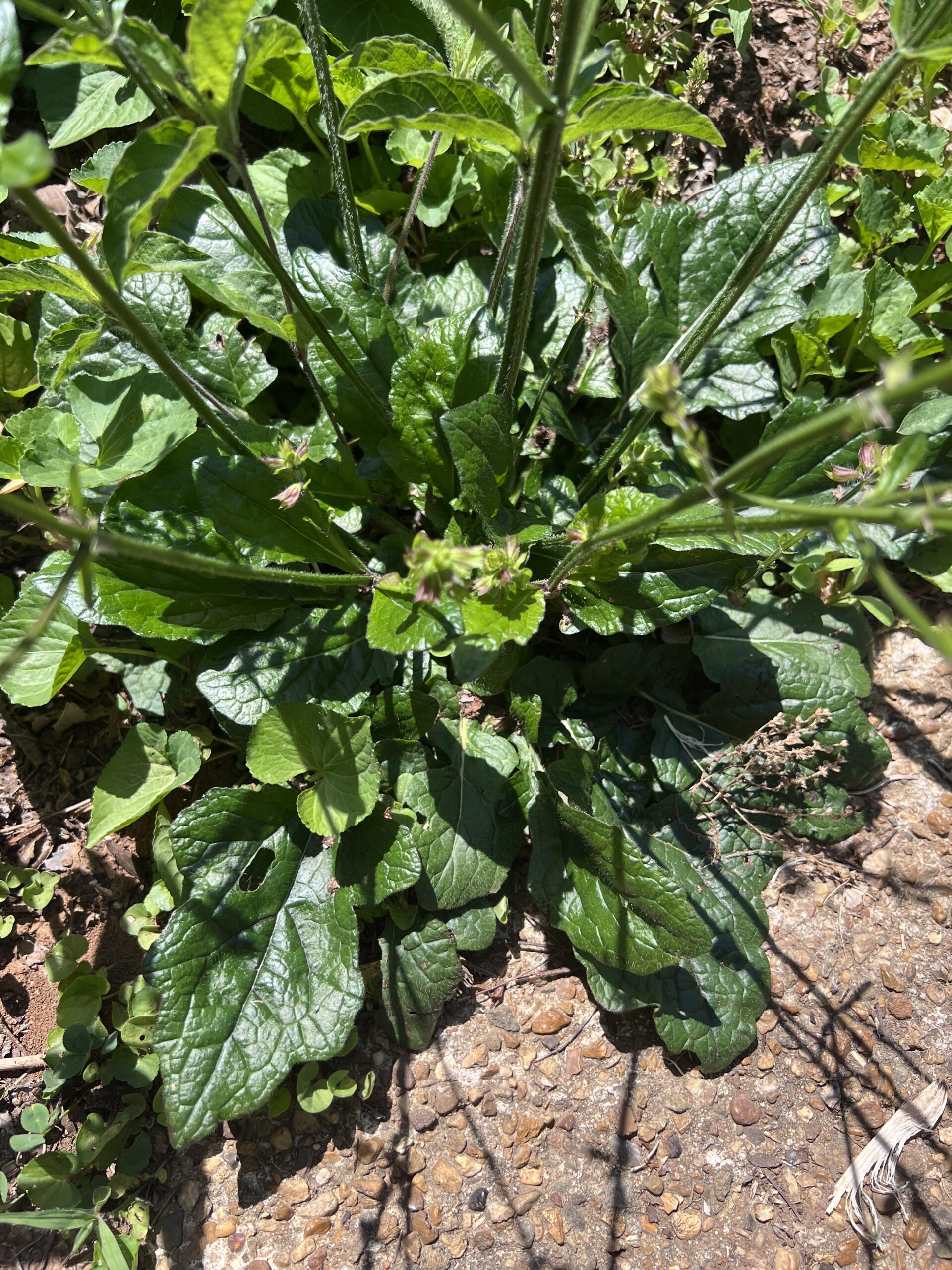
Lyre-leaf sage is a perennial mint family member that forms a rosette of deeply lobed basal leaves, often shaped like a lyre. Leaves can be purple-tinged in winter, and some populations display reddish blotches in the leaf centers. In spring, upright flower stalks rise 1-1.5 feet above the foliage, bearing whorls of tubular blue-violet flowers about 1 inch long. The two-lipped blooms have a distinctive lower lip that serves as a landing platform for pollinators.
This adaptable native grows in poor-to-average, well-drained soil in full sun to partial shade. It tolerates heat, humidity, drought, and occasional flooding, making it suitable for rain gardens. Deer typically browse the flower stalks but leave the basal rosettes alone. The dense, low-growing form tolerates foot traffic and mowing, making it an excellent lawn alternative or groundcover.
Reseeds easily in loose, sandy soil and can form solid cover with regular moisture. Works well in meadows, native gardens, woodland edges, or naturalized areas. Attracts early-emerging bees and butterflies to its fragrant blooms. Goldfinches feed on the seeds, and native bees nest in the hollow dead stems. No significant pest or disease issues.
Sources: https://plants.ces.ncsu.edu/, https://www.wildflower.org/plants/, https://www.missouribotanicalgarden.org/PlantFinder/plantfindersearch.aspx