This page is designed for people who are just beginning their journey in gardening with native plants. Below you will find a list of helpful resources for starting your journey.
Why do native plants matter?
Native plants support local food webs better than nonnative exotics, primarily because they support insects in all stages of life. Insects are one of the most important creatures in the food web. If you like birds, butterflies, or any of our local fauna, then native plants are the best way to support them. If you would like to read more, the links below explain the importance of native plants in more detail.
https://conservect.org/northcentral/wp-content/uploads/2020/01/why-native-plants-1.pdf
https://www.audubon.org/content/why-native-plants-matter
What are the basics?
In the simplest of terms, the primary goals are:
- Plant more plants that are native to your local region/ecoregion (find your ecoregion)
- Remove invasive plants from your property (Tennessee’s Invasive Plant Council)
- Reduce the size of your lawn (5 ways to remove grass)
- Reduce pesticide use (Xerces Society Pesticide Info)
There’s certainly more that can be done. At Wild Ones, we encourage everyone to engage in ecological gardening, which is the process of gardening not just for humans, but for all wildlife.
How do I get started?
While all of the above practices will help our local wildlife, chances are you’re here because you want to plant native plants. If you search online, you will come across an abundance of information that explains everything from site prep, to soil testing, to plant selection. While those resources are incredibly valuable, it’s also important to know that getting started can be as simple as digging a hole and putting a native plant in the ground. Whether or not that plant thrives depends on those factors of site prep, soil, etc, but start out that way is a low risk, high reward way of taking your first steps with native plants. Chances are you will want to do more, and for that, we have some more helpful starting points below.
What should I plant?
There are hundreds of plants to choose from as we live in one of the most biodiverse regions in the United States, and it can be overwhelming to decide, so we have put together a list of 10 plants that are likely to perform exceptionally well in a yard. These plants in particular are adapted to a wide array of light, moisture, and soil types. On top of that, these plants tend to fit standard expectations for a plants appearance, meaning they typically maintain their structure well and do not need much in the way of maintenance. These plants are also relatively easy to find in local or online native plant nurseries.
Outside of this list, we have more in depth lists available under our resources page. https://tnvalley.wildones.org/plant-info/native-plants-for-the-tennessee-valley/
10 Easiest Native Plants for the Tennessee Valley
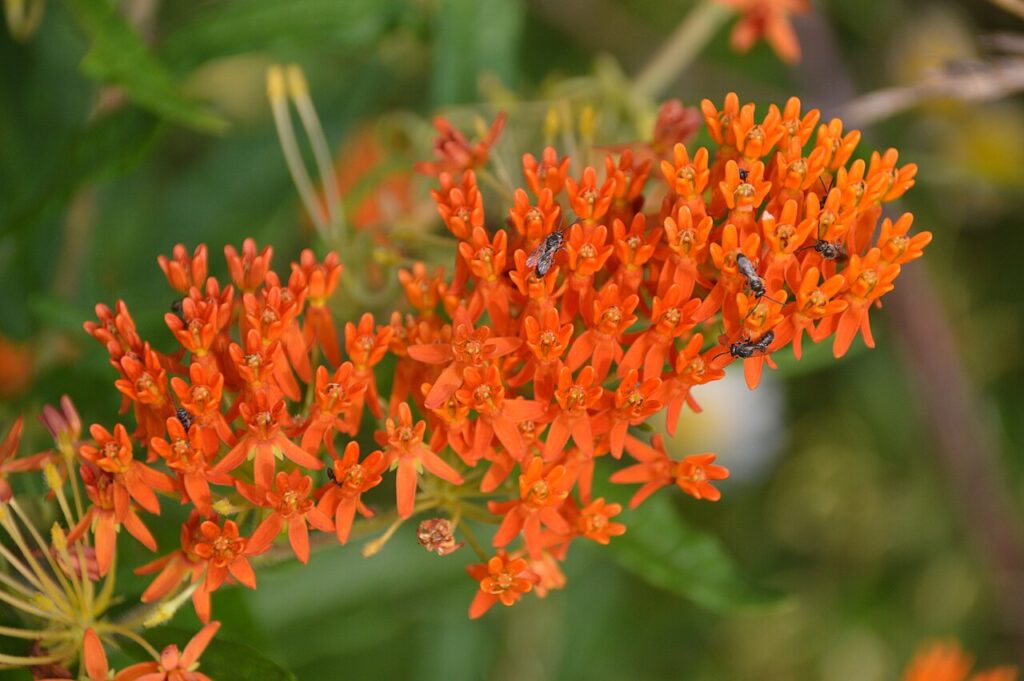
Butterfly Milkweed
- Botanical Name: Asclepias tuberosa
- Light: Full Sun – Partial Shade
- Soil: Dry – Medium
- Sociability Rating: 1
- Spreading Notes: Will self-seed over time in low competition settings
- Benefits: Pollinators, host plant for monarchs
- Maintenance Notes: None required. Milkweed is cold-intolerant, so it will be one of the first to die back in the fall, and last to emerge in the Spring
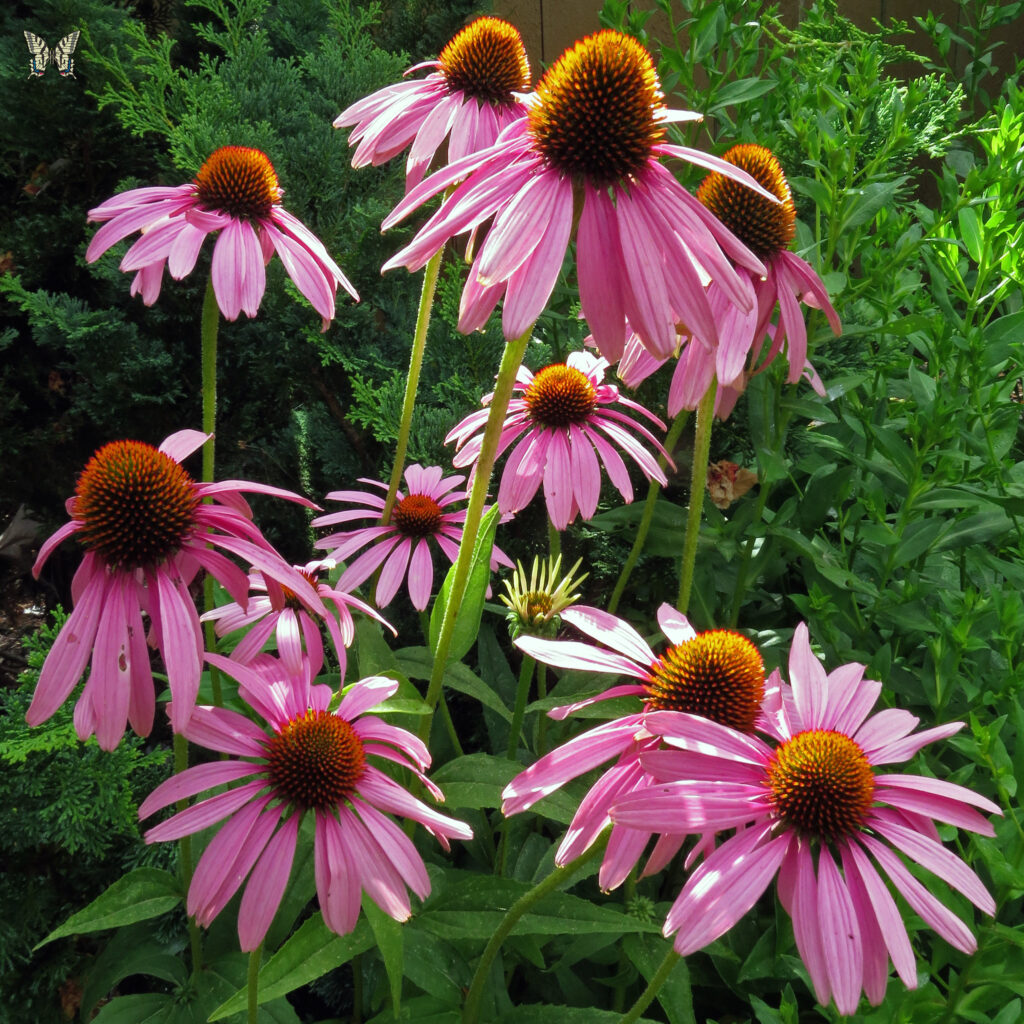
Purple Coneflower
- Botanical Name: Echinacea purpurea
- Light: Full Sun – Partial Shade
- Soil: Dry – Medium
- Sociability Rating: 2
- Spreading Notes: Will self seed readily
- Benefits: Pollinators, hummingbirds, seeds loved by birds
- Maintenance Notes: Stems can be cut back to 18 – 24 inches in the winter to provide habitat for bees, after birds have picked the seed heads clean
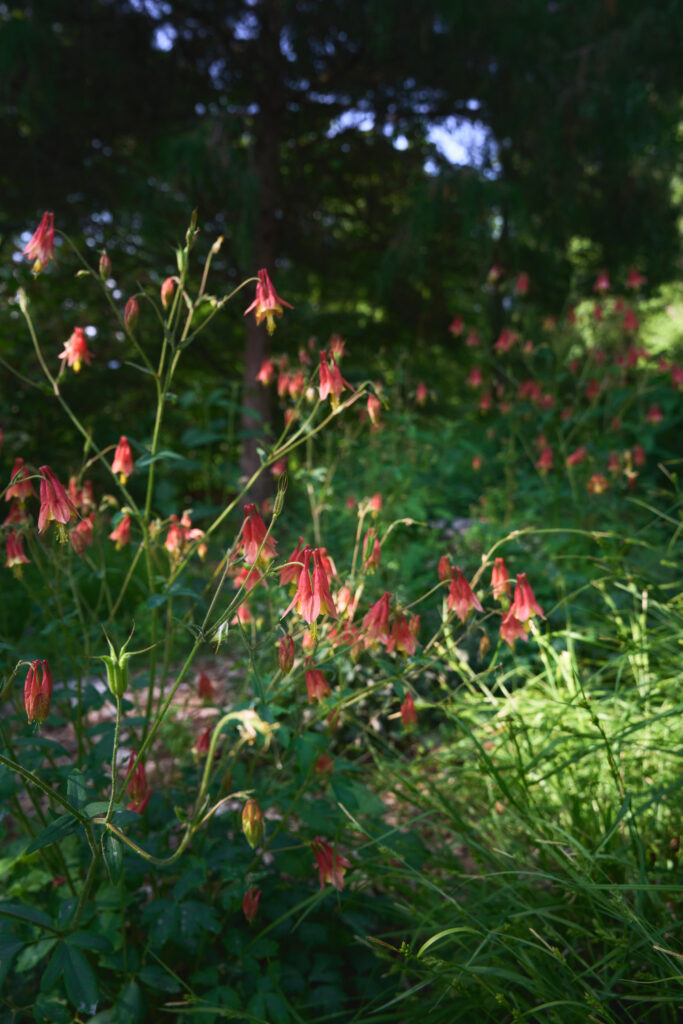
Eastern Red Columbine
- Botanical Name: Aquilegia canadensis
- Light: Partial Shade – Full Shade
- Soil: Dry – Medium
- Sociability Rating: 2
- Spreading Notes: Will self seed readily
- Benefits: Pollinators, hummingbirds
- Maintenance Notes: None required, foliage may die back earlier or later depending on moisture levels
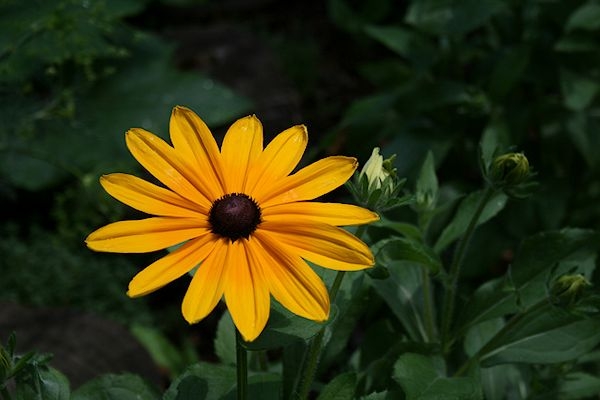
Orange Coneflower
- Botanical Name: Rudbeckia fulgida
- Light: Full Sun – Partial Shade
- Soil: Dry – Medium
- Sociability Rating: 2
- Spreading Notes: Will self seed readily
- Benefits: Pollinators, seeds loved by birds
- Maintenance Notes: Stems can be cut back to 18 – 24 inches in the winter to provide habitat for bees, after birds have picked the seed heads clean
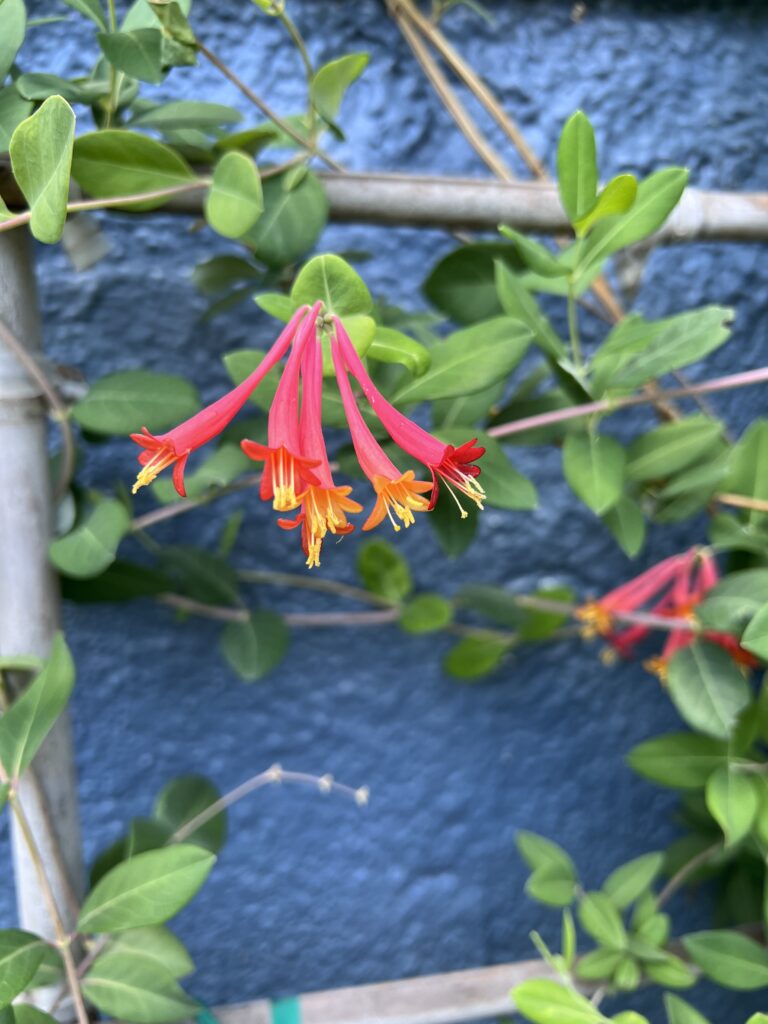
Coral Honeysuckle
- Botanical Name: Lonicera sempervirens
- Light: Full Sun – Partial Shade
- Soil: Dry – Medium
- Sociability Rating: 2
- Spreading Notes: Vining habit, will grow 10-20’ long but not aggressive like invasive Japanese Honeysuckle
- Benefits: Pollinators, hummingbirds
- Maintenance Notes: Only maintenance required is if you wish to help train the vine where it will grow.
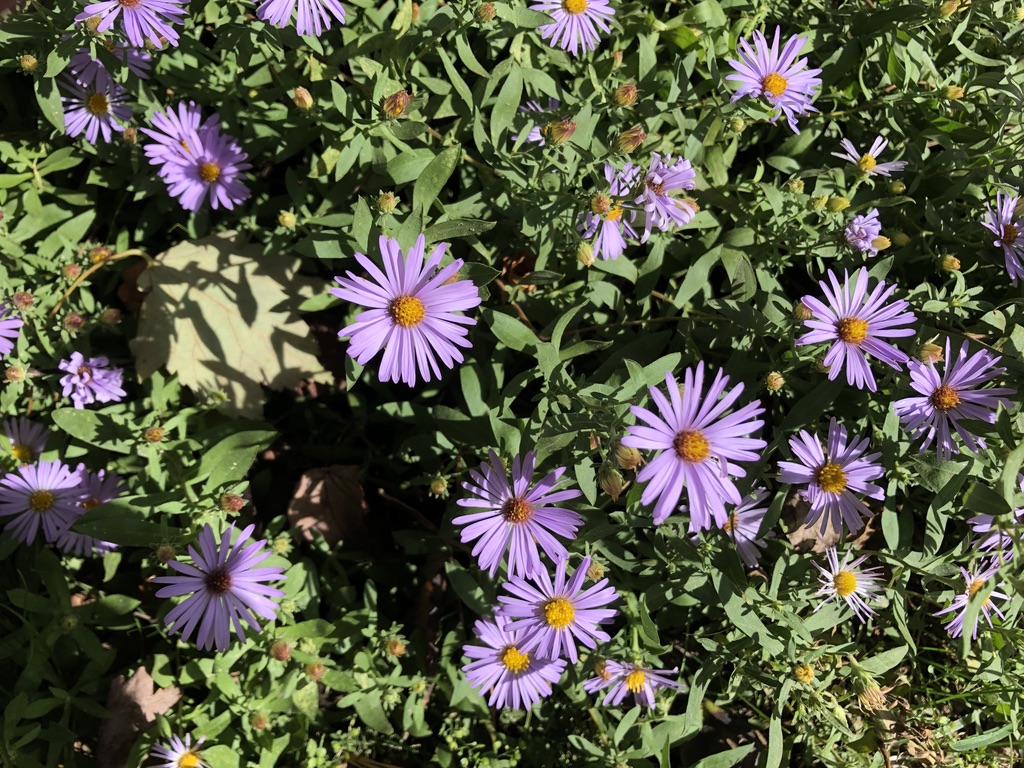
Aromatic Aster
- Botanical Name: Symphyotrichum oblongifolium
- Light: Full Sun – Partial Shade
- Soil: Dry – Medium
- Sociability Rating: 2
- Spreading Notes: Will self seed readily
- Benefits: Pollinators, host plant
- Maintenance Notes: Can be “Chelsea chopped” in July to create a more mounding habit. Stems can then be cut back in winter to provide nesting habitat for bees
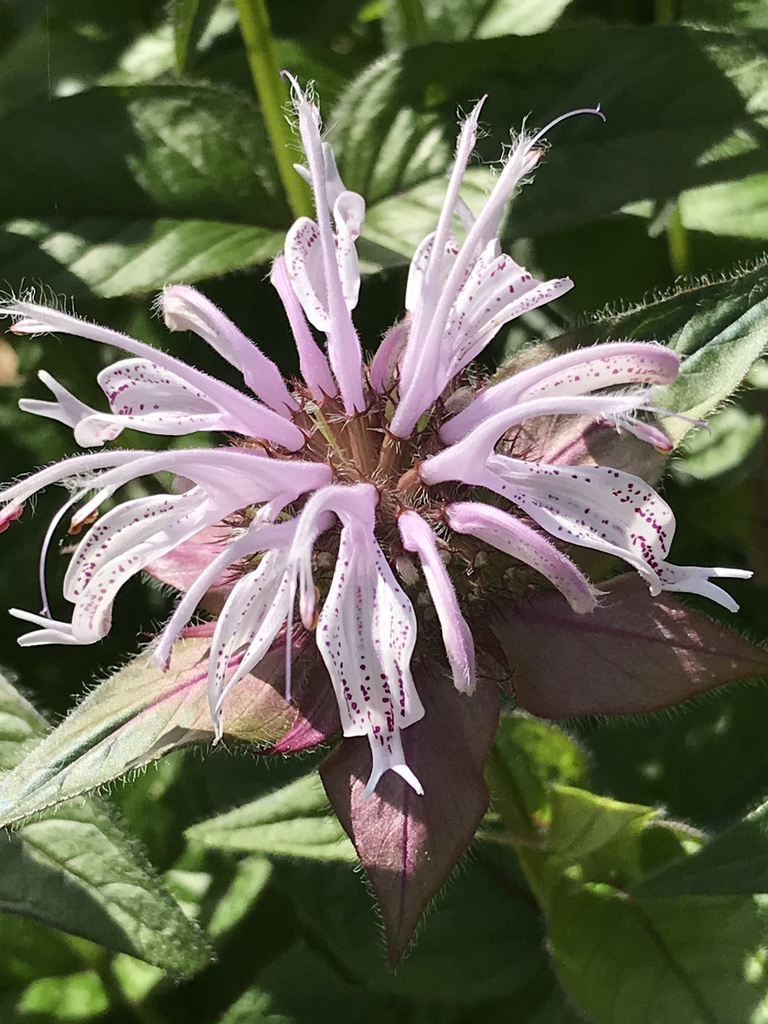
Bradbury’s Beebalm
- Botanical Name: Monarda bradburiana
- Light: Full Sun – Partial Shade
- Soil: Dry – Medium
- Sociability Rating: 2
- Spreading Notes: Will self seed over time in low competition settings
- Benefits: Pollinators, seeds
- Maintenance Notes: None, plant dies back on its own in the winter
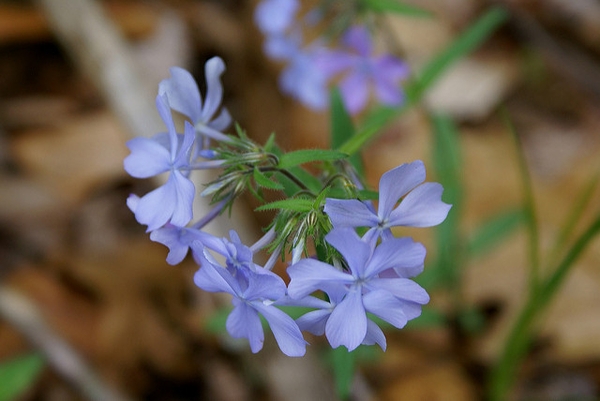
Blue Wood Phlox
- Botanical Name: Phlox divaricata
- Light: Partial Shade – Full Shade
- Soil: Dry – Medium
- Sociability Rating: 1
- Spreading Notes: Will self seed over time, slowly
- Benefits: Pollinators
- Maintenance Notes: Plant dies back by summer
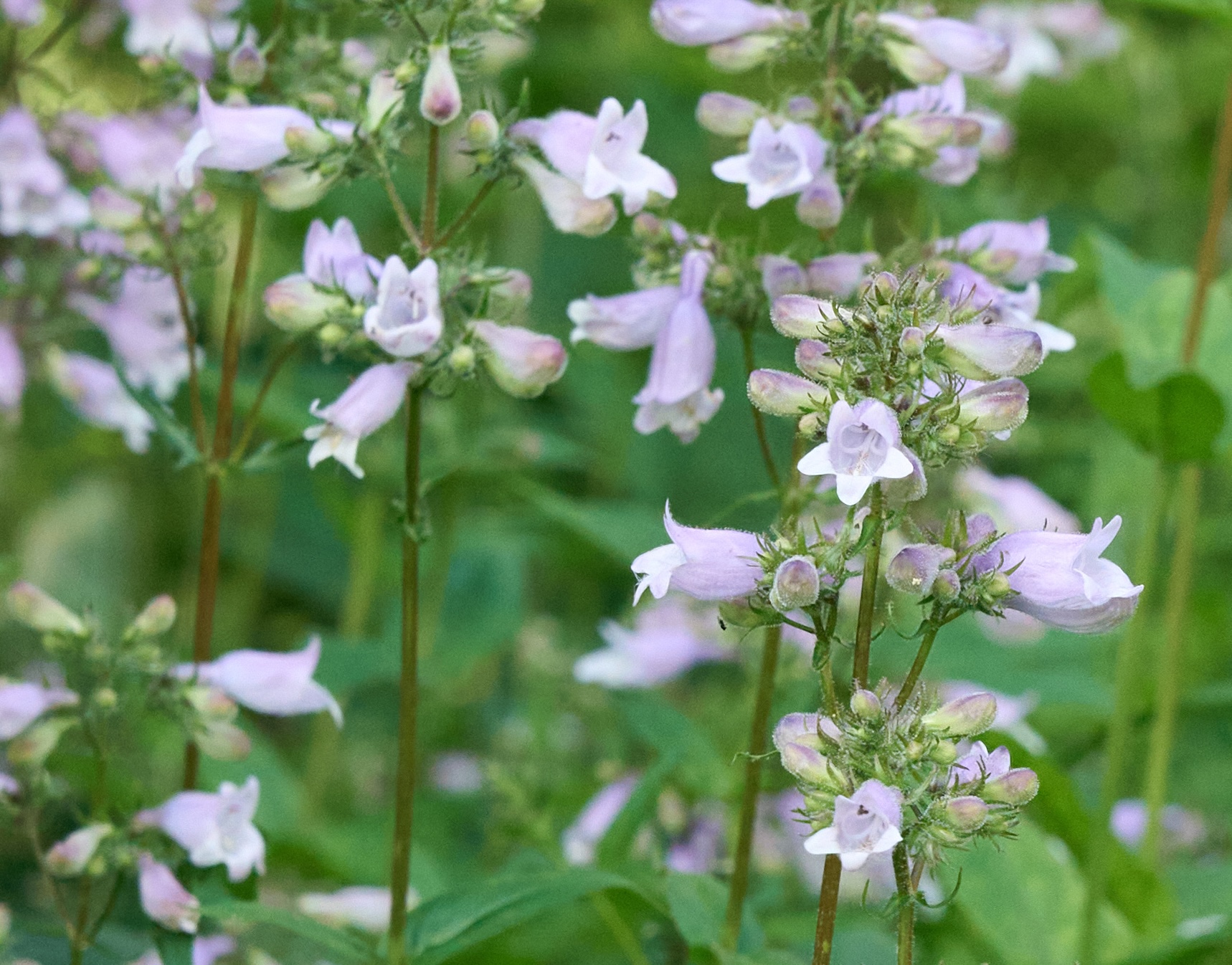
Calico Beardtongue
- Botanical Name: Penstemon calycosus
- Light: Full Sun – Full Shade
- Soil: Dry – Wet
- Sociability Rating: 2
- Spreading Notes: Will self seed over time
- Benefits: Pollinators, hummingbirds
- Maintenance Notes: Stems can be cut back to 18 – 24 inches in the winter to provide habitat for bees
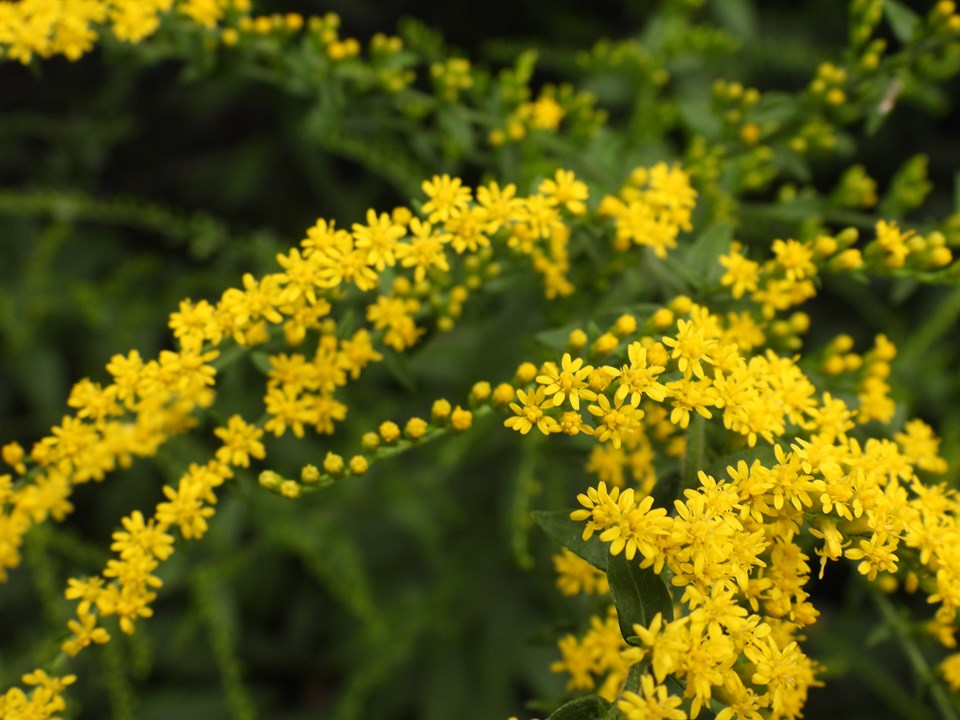
Fireworks Goldenrod
- Botanical Name: Solidago rugosa ‘fireworks’
- Light: Full Sun – Partial Shade
- Soil: Medium – Wet
- Sociability Rating: 2
- Spreading Notes: This is a vegetative clonal cultivar, meaning any plants grown from seed will regress to the straight native Solidago rugosa traits
- Benefits: Pollinators, host plant
- Maintenance Notes: Stems can be cut back to 18 – 24 inches in the winter to provide habitat for bees
What if I live in an apartment/only have a balcony?
Great news, you can still help! Wild Ones has a wonderful guide on gardening in urban balconies, which includes plants that do well in containers.
https://wildones.org/native-plants-for-urban-balconies/
Where can I get plants?
Fortunately, we have a wide array of nurseries in the Tennessee Valley area that specialize in native plants. You can visit our list of local native plant nurseries at the link below:
https://tnvalley.wildones.org/native-plants/
If you are looking to shop for plants online, here are a few nurseries that ship directly.
- https://www.blazingstargardens.com/
- https://directnativeplants.com/
- https://www.prairiemoon.com/
- https://www.izelplants.com/
Looking to grow your own plants from seed? Here are a few nurseries that sell seeds.
- https://www.roundstoneseed.com/
- https://www.nativeplantrescuesquad.org/our-stock (you can download their seed inventory list and then email them directly)
- https://www.prairiemoon.com/
- https://www.botanyyards.com/
Ready to learn more?
Wild Ones has many more in depth guides to getting started with native plants.
https://tnvalley.wildones.org/plant-info/native-plants-for-the-tennessee-valley/
https://tnvalley.wildones.org/plant-info/garden-designs/
https://chattgardener.com/quick-guide-to-seeding-a-wildflower-meadow/